

If you've ever come across a bottle of Club-Mate, you may have wondered exactly what it is. Is it an energy drink? Iced tea? A fizzy soft drink?
The answer is a little bit different. Club-Mate is a lightly sparkling drink made from yerba mate, a South American plant traditionally consumed as tea.
Today, it has become something of a cult drink in Germany and is enjoyed in more than 60 countries around the world.
What Is Yerba Mate?
Yerba mate is a plant native to South America. Its leaves have been used to make a stimulating tea for centuries and remain an important part of drinking culture across countries including Argentina, Paraguay, Brazil and Uruguay.
Traditionally, yerba mate is prepared by steeping the leaves in hot water and drinking it through a metal straw called a bombilla.
Club-Mate takes the caffeine-containing mate plant and uses an extract of it to create a completely different style of drink.
So, What Is Club-Mate Made From?
The main ingredient that gives Club-Mate its distinctive character is yerba mate extract.
The manufacturer says its Club-Mate products use certified yerba tea, natural flavours and water from its own wells. Club-Mate is also vegan and gluten-free.
The drink is carbonated, giving it its characteristic fizz, while the mate provides the herbal, slightly bitter flavour and natural caffeine.
What Does Club-Mate Taste Like?
This is probably the hardest thing to explain about Club-Mate.
It tastes nothing quite like Coca-Cola, lemonade or traditional iced tea. Instead, it has a lightly sweet, herbal flavour with a subtle bitterness and a refreshing fizz.
The first sip can be surprising. The second is usually easier. And for many people, that's when the addiction begins.
Club-Mate itself describes the drink as having a distinctive combination of the tannins from the mate plant and caffeine.
The History of Club-Mate
Club-Mate's story actually begins more than a century ago.
In 1924, a German drinks manufacturer named Georg Latteier discovered a drink called Sekt-Bronte at an exhibition and acquired the licence to produce and distribute it.
The drink was based on mate tea from South America and was initially produced on a relatively small scale around Dietenhofen in Bavaria.
Following the Second World War, production resumed and the drink gradually became more widely known. In 1994, the licence was acquired by Brauerei Loscher, which began selling the drink under the name Club-Mate.
From German Curiosity to Cult Drink
Club-Mate's popularity grew particularly strongly in Germany's technology and hacker communities, before spreading into nightlife, festivals and alternative culture.
Part of its appeal is that it doesn't fit neatly into an existing category. It's a soft drink, but it's caffeinated. It's refreshing, but not overly sweet. And unlike conventional energy drinks, its identity is built around yerba mate.
That unusual combination has helped turn Club-Mate into a cult favourite.
Club-Mate in the UK
Club-Mate has gradually built its own following in the UK, particularly amongst people who have encountered it while travelling, at festivals or through the technology and creative communities.
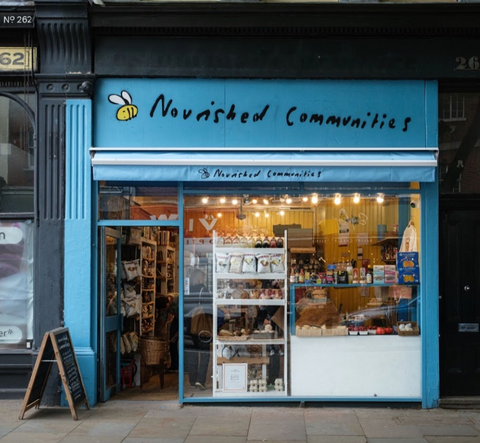
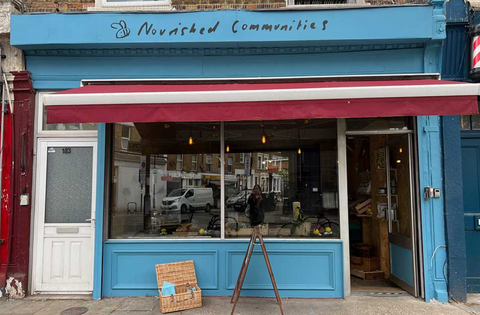
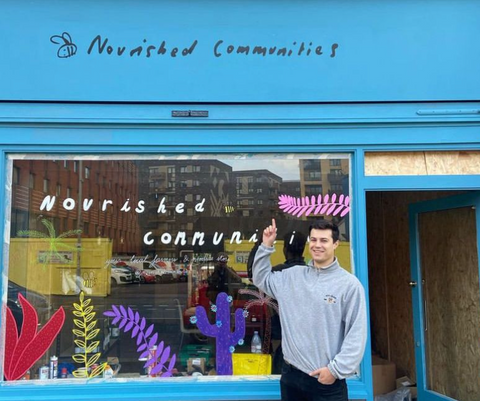
If you're looking to try it for yourself, you can buy Club-Mate in the UK from Nourished Communities.
It's best served chilled, although Club-Mate itself says it can also be enjoyed at room temperature.
Why Try Club-Mate?
Club-Mate isn't trying to taste like every other fizzy drink on the shelf. That's exactly the point.
If you like lightly sweetened drinks, herbal flavours and a natural source of caffeine, it's well worth trying.
And if you're already a Club-Mate fan, you probably don't need much convincing.


Comments (0)
There are no comments for this article. Be the first one to leave a message!