

There's a tin of anchovies in every serious cook's cupboard. A jar of bonito tuna that gets opened on a Tuesday evening when dinner needs to happen in ten minutes. A tin of Cornish sardines that someone bought on a whim and then couldn't stop thinking about. This is the world of quality tinned fish - and it's one of the most exciting corners of the food world right now.
Across Spain and Portugal, the best tinned fish has been celebrated for over a century. Canneries that have been operating since the 1890s. Family businesses passing recipes down through generations. Tins so beautifully made that people collect them. Meanwhile in Britain, a new wave of independent producers - fishing sustainably off the Cornish coast, the Scottish islands, the Devon shoreline - are doing something remarkable: proving that British tinned fish can stand alongside the best in the world.
We stock both. This is your guide to all of it.
Why tinned fish is having a moment
It hasn't come from nowhere. The rise of tinned fish in the UK is driven by a few things converging at once: a growing awareness of sustainable seafood, the influence of Spanish and Portuguese food culture on how we eat, the convenience of something genuinely delicious that lives in your cupboard, and - honestly - the aesthetics. A beautiful tin of anchovies on a table looks like it means something.
But beyond the aesthetics, quality tinned fish is nutritionally extraordinary. High in protein, rich in omega-3 fatty acids, a natural source of vitamin D and B12. And because the fish is sealed at peak freshness, you lose almost nothing in the process.
The key distinction: the one that separates the tins worth seeking out from the ones that aren't - is quality of fish and quality of oil. The best producers use only the finest fish from sustainable sources, pack them by hand, and preserve them in proper extra virgin olive oil. The result is something categorically different from what you'll find in a supermarket.
The Spanish and Portuguese tradition: conservas
The Spanish word for it is conservas. The Portuguese call it conservas de peixe. Both refer to the same tradition of preserving fish at its peak - sardines, anchovies, tuna, mussels, octopus, scallops - in oil, tomato sauce or escabeche (a lightly pickled marinade). The tradition dates back to the 19th century, when canneries began opening along the Cantabrian coast of northern Spain and the Atlantic coast of Portugal, processing the extraordinary abundance of fish in those waters.
The best conservas are still made in small quantities, with fish caught by local boats and processed by hand. They improve with time - a tin of anchovies kept for a year becomes richer and more complex. This is food designed to be savoured, not grabbed.
Ortiz is the name that comes up first in any serious conversation about tinned fish. Founded in 1891 in the Basque Country, now in its fifth generation of family ownership, Ortiz remains the benchmark by which other tinned fish is measured.
Their Anchovies in Olive Oil (47.5g, £7.95) are the classic - hand-filleted Cantabrian anchovies, cured for a minimum of six months, packed in olive oil. Intensely savoury, with a clean finish and none of the harsh saltiness you get from inferior anchovies. These are the ones you lay across a piece of buttered toast or dissolve into a pan of butter for a pasta sauce.
Their Bonito Tuna in Olive Oil (112g, £6.50) uses Bonito del Norte - white tuna from the Bay of Biscay, the most prized tuna variety in Spain. Firm, meaty, nothing like tinned tuna from a supermarket. Eat it as it comes, in a salad, or in a pintxo with anchovy and olive on a piece of bread.
For something more substantial, the Superior White Tuna Fillets in Olive Oil, Bonito del Norte (220g, £15.25) is the premium version - larger fillets, richer flavour, the kind of thing you open when you want dinner to feel special with minimal effort.
Zallo
Zallo is another Basque producer with deep roots - their fish comes from the same Cantabrian waters as Ortiz, and their production is equally meticulous.
Their Bonito del Norte Tuna in Olive Oil (£5.65) and Bonito del Norte in Escabeche (£5.65) offer two contrasting experiences with the same exceptional fish. The escabeche version - preserved in a lightly acidic marinade of vinegar, bay leaf and spices - is more complex, slightly brighter, and pairs beautifully with a cold glass of white wine.
Their Anchovies in Oil (£4.95) are a slightly gentler alternative to Ortiz - still outstanding, but with a softer cure that some people prefer.
Nuri
Nuri comes from Portugal, where the sardine tradition runs even deeper than in Spain. The Atlantic coast of Portugal - particularly around Setúbal and Algarve - produces sardines of exceptional quality, and Nuri has been processing them since 1942.
For something different: Sardines in Spiced Tomato Sauce (125g, £4.90) and Sardines in Tomato Sauce (125g, £4.90). The tomato sauce versions are richer and work brilliantly on toast, stirred through pasta, or eaten straight from the tin with a fork. Beautifully packed, sustainably caught, with a clean silvery flavour that's worlds away from the blander tins you'll find elsewhere.
Pepus
Pepus is a Galician producer from the north-west of Spain - a region famous for its shellfish above all else. The cold Atlantic waters off Galicia produce mussels, scallops, octopus and squid of extraordinary quality.
Their Diced Octopus (115g, £5.00) is remarkably tender - slow-cooked before tinning, it has none of the rubberiness you might associate with octopus. Dress it with olive oil and paprika on a slice of bread for a simple but genuinely impressive starter.
The Large Mussels in Escabeche (£5.85) - fat, plump Galician mussels in that lightly spiced vinegar marinade - are addictive. The Scallops in Galician Sauce (120g, £6.70) are one of the more unusual things we stock: delicate scallops in a sauce of olive oil, garlic and paprika, tasting directly of the sea.
Carmelo
Carmelo is a newer name in the British market but already earning serious attention. Their Scallops in Salsa (110g, £6.75) and Spicy Tuna Fillets in Olive Oil (£5.00) are both beautifully made - the tuna in particular has a clean heat that lifts it without overwhelming the fish.
Berthe and others
Berthe Sardines in Olive Oil (100g, £4.75) - a smaller French producer, subtler in flavour, with beautifully presented tins.
Porto Mar White Tuna Loin Fillets in Olive Oil (190g, £8.95) - a Portuguese jar format that shows off the loin cuts beautifully.
Santa Catarina Tuna Fillets with Fennel (120g, £5.10) - an unusual and genuinely lovely combination.
The British producers
Ten years ago, British tinned fish barely existed as a category. Today, a handful of independent producers are doing extraordinary things with the fish caught off Britain's coastline - and the results are as good as anything coming from Spain or Portugal.
Sound Seafood
Sound Seafood is a Cornwall-based producer focused entirely on sustainable British fish. Everything they make is caught in UK waters by small, independent boats.
Their Cornish Sardines in Olive Oil (100g, £4.50) are caught off the Cornish coast - the same pilchard fishery that was historically one of the most important in Britain, now producing some of the finest small fish available. Packed in extra virgin olive oil, they're clean, fresh and unmistakably British.
The Scottish Mackerel in Olive Oil (125g, £4.95) uses mackerel from Scottish waters - one of the most sustainably caught fish in the UK, and one of the most nutritionally dense. The flavour is bolder than sardines, with the richness you'd expect from an oily fish at its best.
Rockfish
Rockfish is a Devon-based fish and chips restaurant group turned producer, founded by chef Mitch Tonks - one of the most passionate advocates for sustainable British seafood. Their tinned range brings the same ethos they apply in their restaurants to the cupboard.
The British Mackerel (£8.35) is caught off the South West coast and packed with genuine care - meaty, flavourful, a world away from commodity tinned mackerel.
Their Squid in Ink Sauce (£8.75) is the standout - British squid in a rich, deeply savoury ink sauce. It's bold and unusual and exactly the kind of thing that makes you wonder why British tinned fish hasn't always been this good.
Sea Sisters
Sea Sisters is one of the most exciting things happening in British food. Founded by a small team dedicated to celebrating British coastal produce, they've been named best overall tinned fish in multiple UK round-ups - and the products justify the praise entirely.
The Cornish Sardines with Chilli Extra Virgin Olive Oil (£8.25) are outstanding - proper Cornish sardines with a gentle heat from the chilli oil that complements rather than overwhelms the fish.
The Cornish Hake with Seaweed and Butter (110g, £12.25) is genuinely unlike anything else in the category. Hake - an underrated British fish, delicate and sweet - combined with foraged seaweed and butter in a tin that's part conserva, part celebration of the British coastline.
Their Smoked Rainbow Trout (£12.25) has been called the best tinned fish in the UK by multiple food writers. It's not hard to see why - silky, smoky, with a freshness that suggests the trout left the water recently. Eat it on sourdough with crème fraîche and a squeeze of lemon.
How to eat tinned fish
The short answer is: as simply as possible. Quality tinned fish doesn't need much help.
On bread. The classic. A piece of sourdough or a good cracker, the fish laid on top, maybe a little butter or extra olive oil poured over. This is how they eat conservas in Spain and it requires nothing more.
On toast with extras. Anchovies on buttered toast with a soft-boiled egg and some capers. Sardines on toast with a squeeze of lemon and black pepper. Mackerel on toast with wholegrain mustard and thinly sliced cucumber.
In salads. Ortiz tuna broken through a Niçoise. La Brujula mussels through a simple green salad with capers and shallots. Sound Seafood mackerel with new potatoes, dill and crème fraîche.
In pasta. Anchovies dissolved in olive oil with garlic as the base for almost any pasta sauce. Tuna through spaghetti with capers, olives and tomatoes for a pantry pasta that takes fifteen minutes.
Straight from the tin. This is not a compromise. A tin of Pepus scallops, a glass of Albariño, a piece of bread - this is dinner.
On a tinned fish board. The most useful recent development in entertaining. Open three or four different tins, arrange them on a board with bread, crackers, capers, cornichons, sliced shallot, lemon wedges and good butter. Let people compose their own combinations. It looks impressive, takes ten minutes to assemble, and costs a fraction of a cheeseboard.
The gift boxes
If you want to introduce someone to quality tinned fish - or if someone needs to introduce you - we make this easy.
The British Tinned Fish Gift Box (£30.00) brings together the best of Sound Seafood, Rockfish and Sea Sisters in a single beautifully presented box. Cornish sardines, Scottish mackerel, Cornish hake with seaweed, smoked rainbow trout - everything that makes British conservas worth celebrating.
The Ultimate Tinned Fish Gift Collection (£35.00) spans the full range - British catches alongside Spanish and Portuguese conservas, including Ortiz bonito tuna, Zallo anchovies and Nuri sardines. The full picture of what tinned fish can be, in one box.
Store them, improve them
Tinned fish keeps for years - this is part of the point. Store your tins somewhere cool and dark, away from direct sunlight. Some tinned fish, particularly anchovies and tuna in olive oil, genuinely improves with time as the flavours develop and the oil works its way through the fish. A tin of Ortiz anchovies bought today will be better in twelve months.
Once opened, transfer any uneaten fish into a sealed container in the fridge. Most will keep for two to three days. The oil from a good tin is worth keeping - use it as a dressing, drizzle it over pasta, or use it to start a sauce.
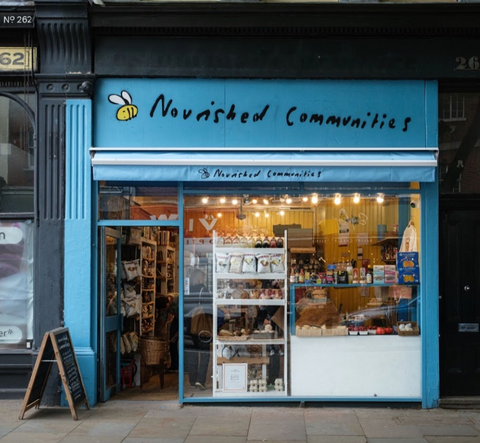
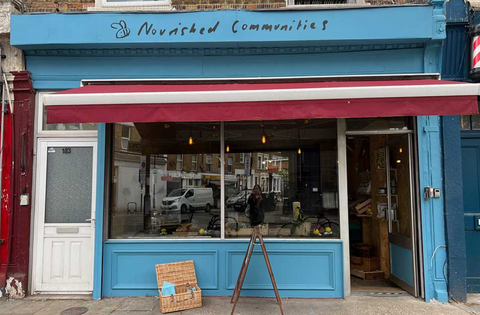
All the tinned fish in this guide is available online with UK-wide delivery, or from our stores in Islington, Highbury and Walthamstow. Browse the full range in our Tinned Fish collection here



Comments (0)
There are no comments for this article. Be the first one to leave a message!