

For mango lovers, there’s one moment in the year that feels truly special: Alphonso mango season. After months of waiting, these intensely fragrant, golden mangoes finally arrive in the UK for a short window — and when they do, they disappear fast.
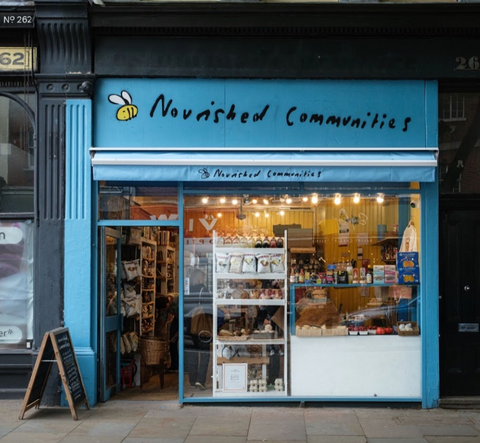
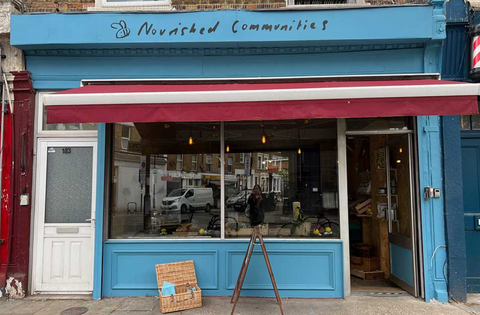
At Nourished Communities, it’s one of the highlights of the year. Customers travel across London to pick up boxes in store, and we ship them across the UK for anyone who wants to experience the flavour of what’s often called the king of mangoes.
If you’ve never tried Alphonso mangoes before, the next few weeks are the perfect time to start.
When Is Alphonso Mango Season?
The Alphonso mango season typically runs from March through June, with the best fruit reaching the UK from April to May.
These mangoes are grown primarily in the coastal regions of Maharashtra in western India, particularly Ratnagiri and Devgad, where the climate and soil produce fruit with an unmistakable flavour.
The season is short because the mango harvest ends when the monsoon arrives in India. That means there are only a few precious months each year when fresh Alphonso mangoes are available internationally.
That limited season is exactly what makes them so exciting.
Why Alphonso Mangoes Are So Special
Alphonso mangoes have a reputation that few fruits can match. They’re famous for their:
- Silky, almost fibre-free flesh
- Deep golden colour
- Intense perfume-like aroma
- Rich sweetness with honey and tropical notes
Many people who grew up in India describe Alphonso mango season almost like a cultural event — something families look forward to every year.
Once you taste one perfectly ripe Alphonso mango, it’s easy to understand why.
If you’d like to enjoy them while the season lasts, you can order Alphonso mangoes individually or by the box here.
We offer them in our London stores and for UK-wide delivery, so you don’t have to miss the season.
The Best Ways to Eat Alphonso Mangoes
One of the joys of Alphonso mangoes is how versatile they are. While many people simply eat them fresh, there are some classic ways to enjoy them that truly highlight their flavour.
The Famous Press and Squeeze Method
In India, one of the most traditional ways to eat Alphonso mangoes is surprisingly simple. Instead of slicing them, you gently soften the fruit with your hands and then squeeze the pulp straight from the skin.
It’s messy, incredibly satisfying, and arguably the best way to eat an Alphonso mango.
Mango Lassi
Another classic is mango lassi, a creamy yogurt drink that’s refreshing, sweet, and deeply comforting.
Made with ripe Alphonso mango, yogurt, and a touch of sweetness, it’s the perfect way to enjoy the fruit on warm days.
Simply Fresh
Of course, the simplest way is often the best. Slice the cheeks from a ripe mango, score the flesh into cubes, and turn the skin inside out to create the classic mango hedgehog.
When the fruit is this good, it doesn’t need much else.
A Fruit With a Long History
Mangoes have been cultivated for thousands of years and are deeply embedded in the culture and cuisine of South Asia. Over time they spread across the tropics through trade and exploration, becoming one of the most beloved fruits in the world.
The Alphonso variety itself is thought to have been developed during the Portuguese colonial period in India, when grafting techniques helped produce the smooth, richly flavoured fruit we know today.
If you’re interested in the fascinating story behind mango cultivation and trade, you can read more here.
Because Alphonso mango season is so short, it always feels like a race against time. Once the monsoon begins in India, the harvest ends and the fruit disappears until the following year.
That’s why many mango lovers stock up while they can.
If you’d like to experience them at their peak, you can order a box here:
https://www.nourishedcommunities.com/products/alphonso-mangos-6
Whether you enjoy them sliced, squeezed straight from the skin, or blended into a mango lassi, there are few fruits that capture the spirit of the season quite like an Alphonso mango.



Comments (0)
There are no comments for this article. Be the first one to leave a message!